The Framework That Should Come With Your First Hot Flash.
Now, STRAW+10 isn’t some fancy new cocktail (though wouldn’t that be divine?). It’s actually a brilliantly detailed system for tracking and assessing the phases of menopause. Think of it as your personal GPS through the hormonal highway.
At various pit stops along the way, it highlights all those delightful hormonal changes. You know, the fluctuations in estradiol and FSH levels during menopause that basically announce, “Welcome to the transition, darling!”
Here’s the thing: back in 2001, and Park City, Utah, is suddenly swarming with more reproductive experts than you can shake a tampon at. We’re talking 27 brainiacs who’ve spent more time thinking about our lady bits than we have darling!
These clever folks gathered for the original Staging Reproductive Aging Workshop (STRAW). They created a nifty little guideline. But like any good recipe, it needed a little updating. Enter STRAW+10, the new and improved version that had been marinating in research for over a decade.
This fabulous new system standardizes how we categorize women based on menstrual cycle patterns and hormone levels. Like when estrogen decides to go on an extended vacation.
The result? A more precise method for evaluating menopausal changes that’s clearer than your intentions to drink eight glasses of water a day.
STRAW+10 gives researchers and healthcare providers the tools they need to effectively assess and manage your menopausal journey. It’s basically the Swiss Army knife of menopause management. Sophisticated, reliable, and absolutely indispensable!
The STRAW+10 system is globally recognised as the gold standard for defining the stages of reproductive aging in women.
How STRAW+10 Was Developed (and Why It Matters)
 Picture this. It’s September 2011. Again, Washington DC is crawling with more reproductive experts than a Tupperware party has plastic containers. We’re talking 41 brainiac superstars from all corners of the globe. U.S., Canada, Australia, the Netherlands, and even South Africa.
Talk about an international potluck of knowledge!
These notable contributors represented several NIH-funded studies with names longer than your last relationship. We’re talking the Study of Women’s Health Across the Nation (SWAN), the Michigan Bone Health and Metabolism Study (MBHMS), and the Seattle Midlife Women’s Health Study (SMWHS). Plus the Biodemographic Models of Reproductive Aging (BIMORA), the Penn Ovarian Aging Study (POAS), and the Melbourne Women’s Midlife Health Project (MWMHP).
So what were all these smarty-pants up to? Well, they were peering into the crystal ball of our lady parts. Trying to decode the secret language of our hormones.

Hormonal Changes Across Menopausal Stages
To achieve a deeper understanding of these hormonal shenanigans, our brilliant participants reviewed all the scientific advances. They looked at hypothalamic-pituitary-ovarian (HPO) function before and after the final menstrual period (FMP). Fancy terms aside, they basically examined every little change in menstrual, endocrine, and ovarian indicators of reproductive aging.
We’re talking antimüllerian hormone (AMH), inhibin-B, follicle-stimulating hormone (FSH), and antral follicle count (AFC). Which sounds like alphabet soup, but trust me, these little abbreviations are actually telling your body’s story!
So what exactly is this HPO business? Think of it as your body’s very own hormone headquarters, darling. The HPO is a hormone system that controls a woman’s reproductive cycles. It involves three key players: the hypothalamus, pituitary gland, and ovaries.
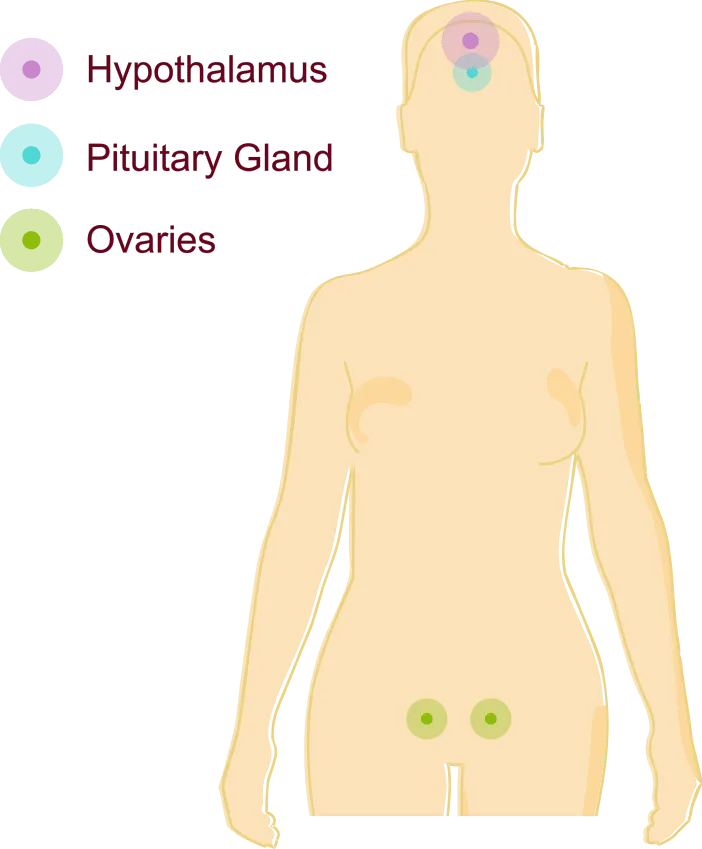
Think of them as a fabulous trio sending hormone signals back and forth like gossipy best friends at brunch. This sophisticated teamwork controls your periods, egg release, and prepares your body for possible pregnancy. Until menopause crashes the party wearing combat boots!
Here’s where it gets positively fascinating. All these discussions at the STRAW+10 meetup clarified how AMH and inhibin-B signal fertility decline and ovarian aging. Basically, these hormones are your ovaries’ way of waving a little white flag.
They’re saying, “We’re clocking out early, ladies!” These insights became crucial building blocks. Understanding exactly how these hormones behave as we age helped develop the more refined STRAW+10 system.
But, and there’s always a but, isn’t there? Despite significant progress in understanding ovarian aging since the original STRAW in 2001, important gaps in scientific knowledge still remain. We’ve come a long way, sweetie, but we’re not quite at the finish line yet.
Therefore, continued research is essential to fill these gaps. To further refine our understanding of reproductive aging. With the ultimate goal of improving women’s health outcomes. Because let’s face it, darling, we deserve nothing but the best!
Why Should YOU Know the Phases of Menopause?
Now, sweetheart, you might be thinking, “This all sounds terribly scientific and impressive, but what’s in it for moi?” Pull up a chair, because here’s where it gets personal!
While the STRAW+10 workshop was primarily designed to help researchers and healthcare professionals decode the phases of menopause, here’s the delicious secret: this information is YOUR superpower too. By understanding the changes happening in your body, you’re not just a passenger on this journey. You’re the driver with a really good GPS.
This knowledge helps you engage more actively in your healthcare. Make informed decisions. And communicate with your doctors without feeling like you need a medical dictionary. When you know what’s happening and why? That’s when the magic happens, buttercup!
 Empowerment Through Knowledge
Understanding the STRAW+10 system is about demystifying the various phases of menopause. And shining a spotlight on what’s really going on (hello, low estrogen!). No more feeling like your body’s speaking a foreign language without subtitles!
This clarity reduces anxiety faster than finding your car keys after searching for twenty minutes. It gives you a genuine sense of control over your health journey. Because knowledge isn’t just power, honey – it’s your secret weapon!
 Communication with Healthcare Providers
Armed with an understanding of the STRAW+10 system, you can waltz into your doctor’s office and ask intelligent questions. Gone are the days of nodding politely while thinking, “I have absolutely no idea what you just said!”
This knowledge helps you actually understand the advice tailored to your specific stage. Taking into account your unique hormonal profile. You become a partner in your care, not just someone following orders. And trust me, ma chérie, doctors love a well-informed patient. Almost as much as they love patients who show up on time!
 Personalised Healthcare
Because the STRAW+10 system provides such detailed understanding of menopause phases, it opens the door to truly personalised healthcare. Your doctor can tailor treatments and lifestyle recommendations as precisely as a Parisian seamstress fitting a couture gown.
This targeted approach addresses YOUR individual needs: managing low estrogen, tackling specific symptoms, considering long-term effects. Not just generic advice pulled from a textbook. Your menopause journey is as unique as your fingerprint, darling. And shouldn’t your healthcare be too?
Practical Tips For Navigating Menopause Phases:
Track Menstrual Cycles: First things first, darling, become a detective of your own body! Keep a detailed record of your menstrual cycles, including frequency, duration, and all those delightful menopause symptoms like mood swings (when you cry at commercials) and sleepless nights (your new 3 a.m. hobby).
This data becomes absolute gold for your healthcare provider, helping them tailor your care throughout the phases of menopause. Think of it as giving your doctor a roadmap instead of making them guess the destination!
Recognise Symptoms
Be aware of common symptoms of menopause, such as hot flashes, night sweats, and mood changes, and discuss these with a doctor.
Maintain a Healthy Lifestyle
Maintain a healthy lifestyle with balanced nutrition, regular exercise, and stress management to help alleviate some menopausal symptoms.
Have Regular Check-ups
Schedule regular check-ups with healthcare providers to monitor hormone levels and overall health, ensuring timely intervention if needed.
Educate Yourself
Read books, articles, and reputable online resources about menopause and reproductive aging. Understanding the science behind menopause can help you feel more in control.
Consider Hormone Therapy
Discuss with your healthcare provider whether hormone replacement therapy (HRT) or other medications might be appropriate for managing severe symptoms.
Explore Alternative Therapies
Some women find relief through alternative therapies such as acupuncture, yoga, or herbal supplements. Always consult with a healthcare provider before starting any new treatment.
Practice Mindfulness and Relaxation Techniques
Techniques such as meditation, deep breathing exercises, and mindfulness can help manage stress and improve overall well-being during menopause.
Stay Hydrated
Drink plenty of water, as hydration can help alleviate some symptoms, such as dryness and fatigue.
Maintain a Sleep Routine
Establish a regular sleep schedule and create a calming bedtime routine to improve sleep quality, which can be disrupted during menopause.
Seek Professional Counseling
If you’re experiencing significant emotional changes, consider talking to a therapist or counselor who specializes in women’s health or menopause.
Join Educational Workshops or Webinars
Participating in workshops or online webinars can provide valuable information and connect you with other women going through similar experiences.
The Bottom Line, Darling
Understanding STRAW+10 isn’t about memorising stages or decoding hormone acronyms like you’re cracking the Enigma code. It’s about context. It’s about finally seeing that menopause isn’t some random cosmic joke being played on your body. It follows a pattern, even when it feels anything but predictable.
Because here’s what nobody tells you, the chaos has a structure. The madness has a method. And once you see it, everything shifts.
Where to Go From Here
If you’d like to see how everything fits together: phases, stages, timing, and what it all actually means, head over to STRAW+10: The Menopause Roadmap. It brings the whole framework into view without the medical fog that makes your eyes glaze over faster than a corporate PowerPoint presentation.
Therefore, it’s the perfect place to start if you want the big picture served up clearly, warmly, and without the jargon overload.
And if this page has sparked more specific questions (as it should, gorgeous), you might find it helpful to explore how the STRAW+10 stages themselves are actually defined. Or dive into how symptoms tend to show up during perimenopause.
The phase where most of the actual drama unfolds. Each page focuses on one piece of the story, so you can follow what feels most relevant right now. No overwhelm required. No reading everything before breakfast demanded.
Here’s What Matters
For now, ma chérie, take this as reassurance, the kind that settles in your bones and stays there.
There is a structure beneath the experience. A framework underneath the feelings. A roadmap through the confusion.
And once you understand it? Menopause starts to feel a little less mysterious and a lot more manageable. Because knowledge, darling, is the difference between feeling like you’re drowning in the deep end and realising you’ve had your feet on the bottom the whole time.
You’re not lost. You’re not broken. You’re not imagining the weirdness or exaggerating the symptoms or being dramatic about the changes.
You’re simply moving through something that has a name, a structure, and, most importantly, an endpoint.
So breathe. You’ve got this. And now you’ve got the map to prove it. 💋✨