When the Hot Flashes Arrive and Why They Brought Friends
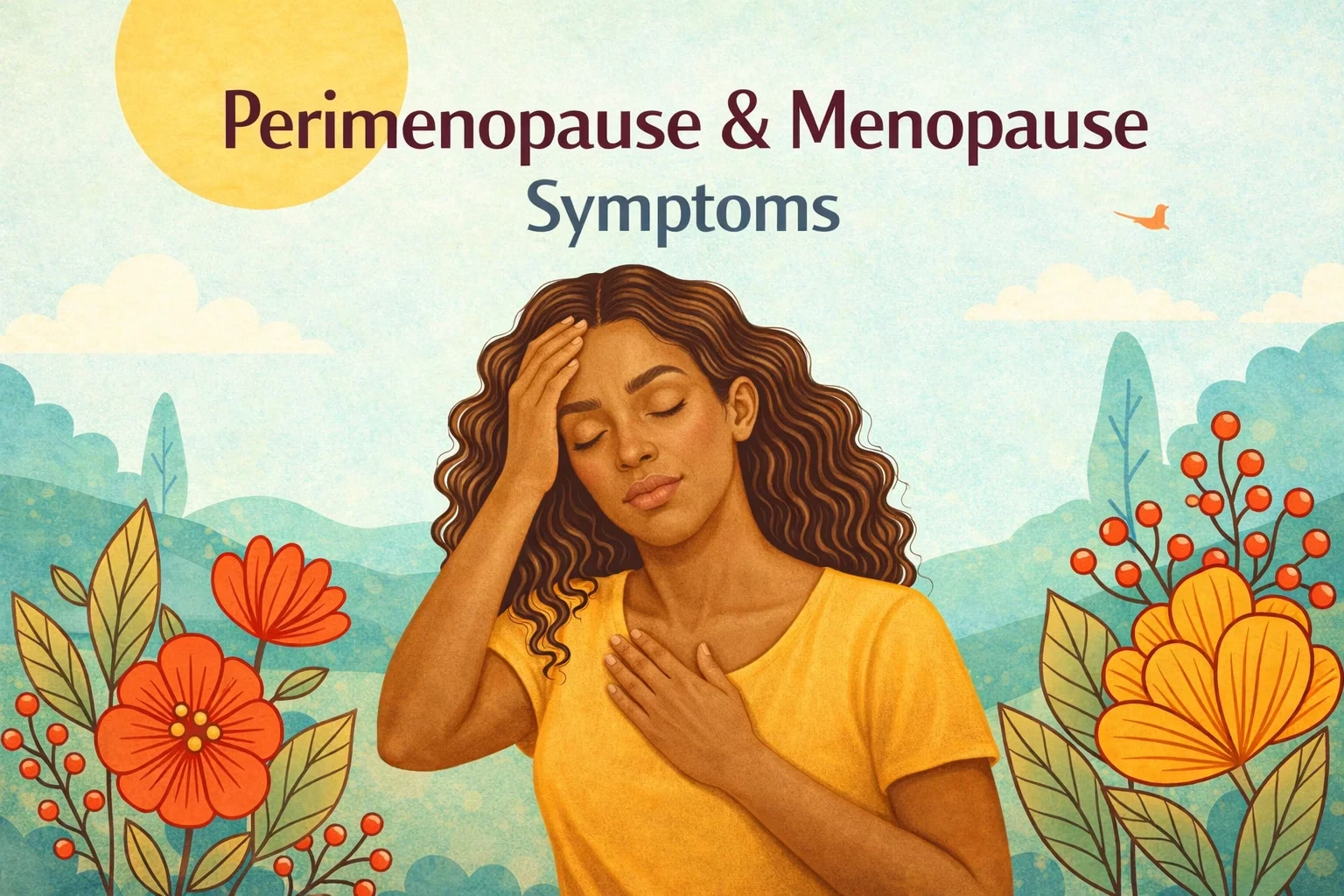
Now, darling, this page breaks down perimenopause symptoms by STRAW+10 stages. That’s the internationally recognised framework that maps your entire reproductive journey from first period to postmenopause. And details the 3 phrases and 7 stages of menopause.
These lists provide an overview of common symptoms associated with each stage of menopause. However, and this is important, sweetie, they are for informational purposes only.
They’re not exhaustive (because honestly, if we listed every possible symptom, we’d be here until next Tuesday). And they are absolutely not a substitute for professional medical advice, diagnosis, or treatment.
Here’s the beautiful truth perimenopause symptoms vary as widely among women as our taste in wine. They differ in both severity and type. What sends one woman reaching for the nearest fan might barely register for another. Some of us sail through with barely a ripple, while others feel like they’ve been hit by a hormonal hurricane. There’s no “normal” here, honey. Just YOUR normal!
For this reason, if you experience these symptoms or have any health concerns whatsoever, please consult a healthcare professional. They’re the experts with the medical degrees and the prescription pads, darling. I’m just here to make you smile and help you understand what’s happening. Your doctor is the one who’ll help you manage it with proper care tailored specifically to your fabulous self!
Stage -2 / -1: Menopause Transition (Perimenopause)
MENSTRUAL SYMPTOMS These are symptoms related to the menstrual cycle and can include:
- Cramps: Pain in the lower abdomen, often due to uterine contractions.
- Bloating: Swelling or feeling of fullness in the abdomen.
- Breast Tenderness: Soreness or swelling in the breasts.
- Headaches: Often linked to hormonal changes.
- Fatigue: Feeling unusually tired or lacking energy.
- Mood Swings: Emotional fluctuations related to hormonal changes.
VASOMOTOR SYMPTOMS These symptoms are related to changes in blood flow and often include:
- Hot Flashes: Sudden feelings of warmth, often with sweating.
- Night Sweats: Excessive sweating during sleep that can lead to disrupted rest.
- Chills: Feeling of coldness or shivering, sometimes following a hot flash.
MOOD DISTURBANCES (Psychological Dysfunction) These refer to emotional or psychological symptoms such as:
- Depression: Persistent feelings of sadness or loss of interest.
- Anxiety: Excessive worry or nervousness.
- Irritability: Increased sensitivity or agitation.
- Mood Swings: Rapid and intense fluctuations in mood.
COGNITIVE DYSFUNCTION These symptoms impact cognitive functions and may include:
- Memory Problems: Difficulty recalling information or recent events.
- Concentration Issues: Trouble focusing or paying attention.
- Confusion: Difficulty understanding or processing information.
SEXUAL DYSFUNCTION These symptoms affect sexual health and function and can include:
- Decreased Libido: Reduced interest in sexual activity.
- Difficulty with Arousal: Trouble achieving or maintaining sexual arousal.
- Orgasm Issues: Difficulty reaching orgasm or experiencing less pleasure.
SOMATIAC SYMPTOMS These are physical symptoms that can include:
- Muscle Aches: General soreness or stiffness in muscles.
- Joint Pain: Discomfort in the joints.
- Digestive Issues: Problems like nausea or constipation.
- Fatigue: Persistent tiredness or lack of energy.
URINARY SYMPTOMS These symptoms involve issues with the urinary system, such as:
- Frequent Urination: Needing to urinate more often than usual.
- Urgency: Sudden, strong need to urinate.
- Incontinence: Uncontrolled leakage of urine.
WEIGHT GAIN This can be a general increase in body weight and may be influenced by various factors such as:
- Hormonal Changes: Fluctuations in hormones that can affect appetite and metabolism.
- Fluid Retention: Holding onto excess water in the body.
- Changes in Activity Levels: Reduced physical activity or changes in exercise routine.
Stage +1a, +1b, +1c: Early Postmenopause
GENITAL ATROPHY Genital atrophy, also known as vaginal atrophy, is a condition where the tissues of the vagina and surrounding area (vulva) become thinner, drier, and less elastic. This usually occurs due to a decrease in estrogen levels, particularly during menopause. Symptoms may include:
- Dryness: The vagina may feel dry or irritated.
- Itching: Persistent itching in the vaginal area.
- Burning Sensation: A feeling of burning in the vaginal region.
- Discomfort During Intercourse: Pain or discomfort during sexual activity due to reduced lubrication.
URINARY TRACT ATROPHY Urinary tract atrophy refers to the thinning, drying, and weakening of the tissues in the urinary tract, often related to decreased estrogen levels, particularly during and after menopause. This can lead to various symptoms, such as:
- Frequent Urination: An increased need to urinate.
- Urinary Urgency: A sudden, strong urge to urinate.
- Urinary Incontinence: Leakage of urine, especially during activities like coughing or sneezing.
- Increased Risk of UTIs: The weakened tissues may make urinary tract infections more common.
PELVIC ORGAN PROLAPSE Pelvic organ prolapse occurs when one or more of the pelvic organs (such as the bladder, uterus, or rectum) drop from their normal position and press against the vaginal walls. This condition can result from weakened pelvic floor muscles, often due to childbirth, aging, or other factors. Symptoms may include:
- Pressure or Heaviness: A feeling of pressure or heaviness in the pelvic area.
- Bulging in the Vagina: A noticeable bulge or protrusion in the vaginal area.
- Discomfort During Intercourse: Pain or discomfort during sexual activity.
- Urinary Issues: Problems like difficulty urinating or increased frequency.
SKIN CHANGES: DRY, ITCHY SKIN As the body ages, especially during menopause, skin can become drier and more prone to itching. These changes are often due to a decrease in estrogen, which affects the skin’s ability to retain moisture. Symptoms of these skin changes can include:
- Dryness: The skin may become flaky, rough, or scaly.
- Itching: Persistent itching, which can lead to scratching and further irritation.
- Thin Skin: The skin may become thinner and more fragile, increasing the risk of bruises or cuts.
- Sensitivity: The skin may become more sensitive to products or environmental factors.
Stage +2: Late Postmenopause
BONE HEALTH Bone health refers to the strength and density of bones. During late menopause, decreased estrogen levels can lead to a reduction in bone density, increasing the risk of conditions such as osteoporosis. Symptoms and effects may include:
- Bone Weakness: Increased fragility of bones, making them more prone to fractures.
- Joint Pain: Discomfort or pain in the joints, often due to decreased bone density.
- Height Loss: Gradual loss of height due to spinal bone weakening.
CARDIOVASCULAR EFFECTS Cardiovascular effects refer to the impact on the heart and blood vessels. In late menopause, the risk of cardiovascular issues can increase due to changes in cholesterol levels, blood pressure, and overall heart health. Symptoms and effects may include:
- Increased Cholesterol: Higher levels of LDL (bad cholesterol) and lower levels of HDL (good cholesterol).
- High Blood Pressure: Elevated blood pressure, which can increase the risk of heart disease.
- Heart Palpitations: Irregular or rapid heartbeats that may feel like fluttering.
CNS EFFECTS (Central Nervous System) CNS effects refer to changes or symptoms related to the brain and nervous system. During late menopause, fluctuations in hormones can affect cognitive and emotional health. Symptoms and effects may include:
- Memory Problems: Difficulty with memory retention or recall.
- Mood Changes: Increased susceptibility to mood swings, anxiety, or depression.
- Sleep Disturbances: Difficulty falling or staying asleep, often due to hormonal changes or other menopause-related symptoms.
Inclusions / Exclusions
Inclusive to the system
The STRAW+10 guidelines are effective for most women. Studies show that age, lifestyle, and body weight affect reproductive aging, but do not alter the overall pattern of changes in bleeding and hormone levels. Thus, the STRAW+10 system works for women of all ages and backgrounds, regardless of these individual differences.
Exclusions to the system
Women with certain medical conditions, such as those undergoing cancer treatment or with chronic illnesses like HIV/AIDS, may not fit the STRAW+10 criteria due to their disrupted menstrual cycles and hormone levels.

Where to Go From Here
If you’d like to zoom out and see how these symptoms fit into the bigger picture, head over to STRAW+10: The Menopause Roadmap. It brings all the phases and stages together in one clear, comprehensive overview. Therefore, it’s the perfect place to start if you want to understand where you are, not just what you’re feeling.
But if you want to get an heads up of what stage of perimenopause you are in, head over to our perimenopause quiz. It asks 5 questions and takes 5 minutes.
A Final Word
For now, take this as reassurance, ma chérie. Your experience is valid. Your symptoms make sense. Your confusion is justified. And clarity, once it arrives, has a lovely way of restoring confidence like nothing else can.
Because here’s what I need you to know: you’re not falling apart. You’re not losing your mind. You’re not being dramatic or difficult or any of those other rubbish labels women get slapped with when their bodies dare to change.
You’re simply moving through a transition that’s as natural as breathing. And now you have the knowledge to navigate it with your head held high and your sense of humor intact.
You’re doing just fine, darling. Better than fine, actually. You’re bloody magnificent.